We give the best Services
Marine Protected Areas do not exist in isolation.
They are part of dynamic social, economic, and ecological systems where many people share an interest in the ocean.
Fishers rely on marine resources for their livelihoods.
Tourism operators depend on healthy reefs and vibrant marine life.
Local communities maintain cultural and traditional connections to coastal ecosystems.
Because of this, successful marine conservation is not only about protecting biodiversity — it is also about working collaboratively with the people who depend on these ecosystems.
Stakeholder engagement is therefore one of the most important competencies for Marine Protected Area professionals.
Understanding the People Connected to the Ocean
Every marine protected area has a network of stakeholders who influence how the area is managed and how conservation decisions are received.
These stakeholders may include:
Effective stakeholder engagement goes beyond informing communities about management decisions.
It involves creating opportunities for stakeholders to participate actively in conservation processes.
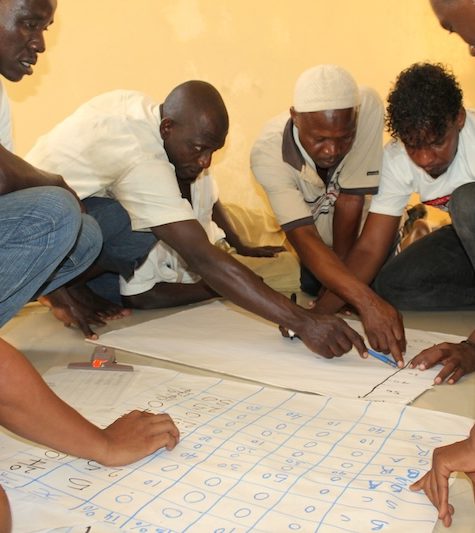
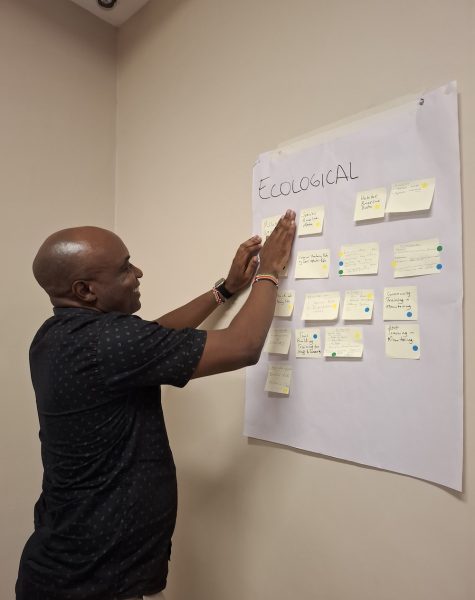
MPA professionals facilitate dialogue through activities such as:
- Community meetings and consultations
- Participatory planning processes
- Â Collaborative monitoring initiatives
- Â Awareness and education programmes
- Conflict resolution and negotiation
Through these approaches, stakeholders become partners in conservation rather than passive observers.
This sense of shared ownership strengthens the long-term success of marine protected areas.
Marine conservation often involves balancing competing interests.
For example, protecting a critical habitat may require limiting fishing activities in certain areas.
Introducing tourism management measures may affect local businesses.
New policies may require communities to adapt long-standing practices.
MPA professionals must therefore act as facilitators who help stakeholders navigate these changes.
This requires strong communication skills, cultural sensitivity, and the ability to mediate conflicts constructively.
By building trust and transparency, professionals help create solutions that are both environmentally responsible and socially acceptable.
Clear and effective communication is essential for engaging stakeholders.
MPA professionals must be able to translate scientific information into messages that communities and decision-makers can understand and act upon.
This may involve:
• Explaining conservation objectives and regulations
• Sharing monitoring results and environmental data
• Raising awareness about threats to marine ecosystems
• Promoting sustainable practices and responsible resource use
Through effective communication, stakeholders gain a deeper understanding of why conservation measures are necessary and how they benefit both ecosystems and communities.
A Core Competence for Marine Protected Area Professionals
Candidates are assessed on their ability to:
• Identify and understand relevant stakeholders
• Facilitate inclusive participation in management processes
• Communicate effectively across diverse audiences
• Build partnerships that support conservation goals
• Manage conflicts and promote collaborative solutions
These skills are essential for ensuring that conservation initiatives are supported by the people who interact most closely with marine ecosystems.
A Shared Responsibility for the Ocean
Contact
- Mizingani Street, House No. 734, Zanzibar
- + 255 24 2233472
- info@wiocompas.org
Brochures
View our Handbook for an easy-to-read guide on all of the services offered.