Regional Reach
Protecting marine ecosystems requires more than knowledge alone.
It requires professionals who can make decisions in complex environments, work with communities, respond to challenges in the field, and lead conservation efforts that balance ecological protection with human livelihoods.
WIO-COMPAS was created to recognise professionals who demonstrate these abilities in practice.
Through a structured and rigorous assessment process, Marine Protected Area professionals are given the opportunity to show not just what they know — but what they can do.
Every candidate who participates in the WIO-COMPAS certification programme brings years of experience working in marine conservation.
Some arrive as field rangers responsible for enforcement and monitoring.
Others manage entire marine protected areas or contribute to national conservation policies.
The assessment process is designed to capture this experience in a meaningful way.
Rather than relying on written examinations alone, WIO-COMPAS evaluates how candidates apply their knowledge, solve problems, and demonstrate leadership in real conservation situations.
This approach ensures that certification reflects professional competence gained through practice.
WIO-COMPAS recognises competence across different stages of professional responsibility.
Before the assessment event begins, candidates prepare materials that demonstrate their experience and achievements.
These may include:
• Professional portfolios describing their work
• Case studies illustrating real management challenges
• Core activity documentation showing how they perform their duties
• Evidence of leadership, community engagement, and conservation impact
This preparation allows candidates to reflect on their professional journey and organise the experience they have gained over years of work in marine conservation.
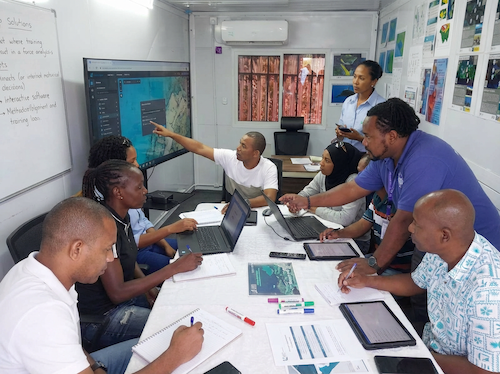
The WIO-COMPAS assessment takes place during an intensive multi-day event where candidates interact with assessors and peers.
During the event, candidates participate in several activities designed to evaluate different aspects of competence.
These include:
To ensure fairness and transparency, each candidate is assessed against clearly defined competence standards.
These standards reflect the skills required to manage marine protected areas effectively.
Candidates must achieve:
• At least 70% overall performance, and
• A minimum score in each competence area
Only candidates who meet these requirements successfully achieve certification.
Those who do are awarded the professional designation:
MPA PRO — Marine Protected Area Professional
This title recognises individuals who have demonstrated a high level of competence in marine protected area management.
Contact us at the Consulting WP office nearest to you or submit a business inquiry online.