Applying Science, Knowledge, and Innovation to Protect Marine Ecosystems
Marine conservation is both a science and a practice.
Across the Western Indian Ocean, marine ecosystems are shaped by coral reefs, seagrass meadows, mangrove forests, open ocean systems, and coastal communities whose lives depend on the sea.
Protecting these ecosystems requires more than good intentions.
It requires professionals who understand how marine systems function, how human activities affect them, and how conservation strategies can be applied effectively in the real world.
Within the WIO-COMPAS competence framework, Marine Conservation Approaches represents the knowledge and practical skills required to design and implement effective conservation solutions.
Governing the Ocean Responsibly
Effective conservation begins with understanding.
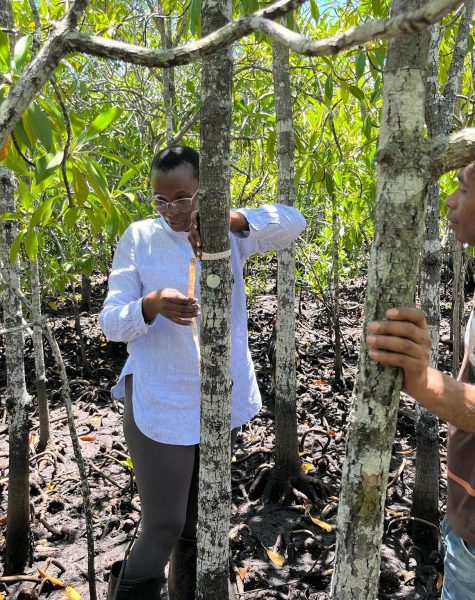
Marine Protected Area professionals must be able to interpret ecological information, observe environmental changes, and apply scientific knowledge to conservation management.
This includes understanding:
Coral reef ecology and resilience
Seagrass and mangrove ecosystems
Marine species behaviour and biodiversity patterns
Fisheries dynamics and resource use
Impacts of climate change on marine environments
Translate
Integrate
Adapt
Scientific understanding alone does not protect ecosystems.
Conservation approaches must be translated into practical management actions that address real challenges such as overfishing, habitat degradation, and climate pressures.
Marine conservation professionals apply a range of strategies including:
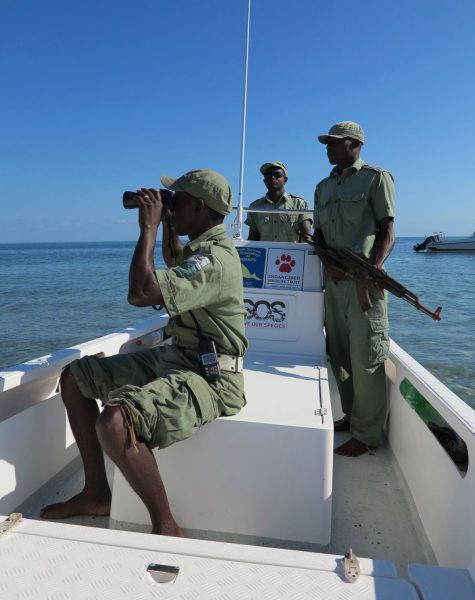
Establishing and managing marine protected areas
Habitat restoration initiatives
Fisheries management and sustainable resource use
Biodiversity monitoring programmes
Climate adaptation and resilience strategies
These approaches allow conservation practitioners to respond to environmental threats while supporting sustainable livelihoods.
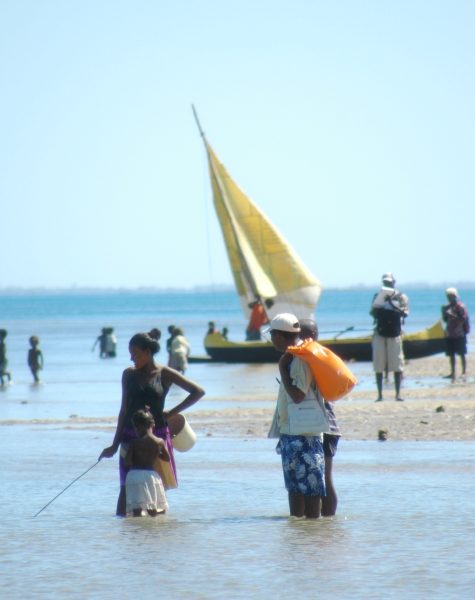
In many parts of the Western Indian Ocean, marine ecosystems are closely connected to coastal communities that depend on them for food, income, and cultural identity.
Successful conservation therefore requires approaches that integrate ecological protection with social and economic realities.
MPA professionals must be able to:
Work with communities to promote sustainable resource use
Incorporate traditional ecological knowledge into management decisions
Support community participation in conservation initiatives
Balance conservation goals with local development needs
This integration ensures that conservation efforts are both effective and socially sustainable.
Marine environments are constantly evolving.
Climate change, coastal development, pollution, and shifting fisheries patterns are transforming marine ecosystems across the region.
As a result, conservation professionals must adopt adaptive management approaches that allow them to respond to new challenges and emerging scientific knowledge.
This involves:
Monitoring ecological indicators
Evaluating management outcomes
Adjusting strategies based on evidence
Collaborating with scientists and research institutions
Through adaptive management, conservation approaches remain flexible and responsive to changing environmental conditions.
A Core Competence for Marine Professionals
Within the WIO-COMPAS certification process, Marine Conservation Approaches is recognised as a critical competence area.
Candidates are assessed on their ability to:
• Understand marine ecosystems and biodiversity
• Apply conservation science to management decisions
• Implement practical conservation strategies
• Integrate ecological knowledge with social realities
• Adapt management approaches in response to environmental change
These competencies ensure that certified professionals possess the expertise required to support effective marine conservation.
Strengthening Conservation Across the Region
Across the Western Indian Ocean, innovative conservation approaches are helping protect some of the world’s most valuable marine ecosystems.
WIO-COMPAS contributes to these efforts by recognising professionals who demonstrate the competence required to apply conservation knowledge effectively.
By strengthening these skills, the programme supports better management of marine protected areas, healthier ecosystems, and stronger coastal communities.
Protecting the Ocean Through Knowledge and Action
Marine conservation is not only about protecting nature — it is about understanding how ecosystems function and applying that knowledge to ensure their survival.
Through the Marine Conservation Approaches competence area, WIO-COMPAS recognises professionals who combine science, practical experience, and innovation to protect the ocean.
Their work ensures that the Western Indian Ocean remains one of the most vibrant and resilient marine regions on Earth.