Leading People and Resources for Effective Marine Conservation
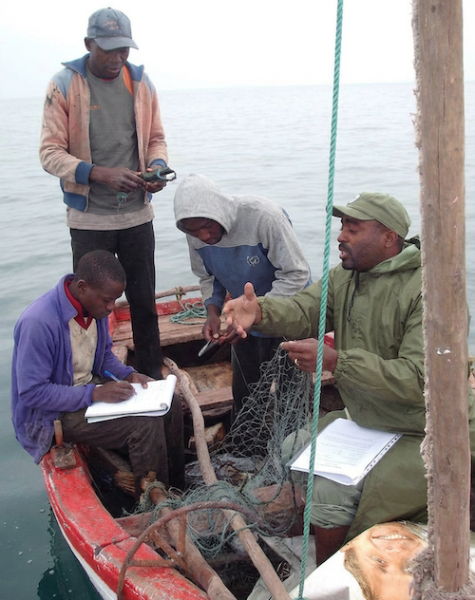
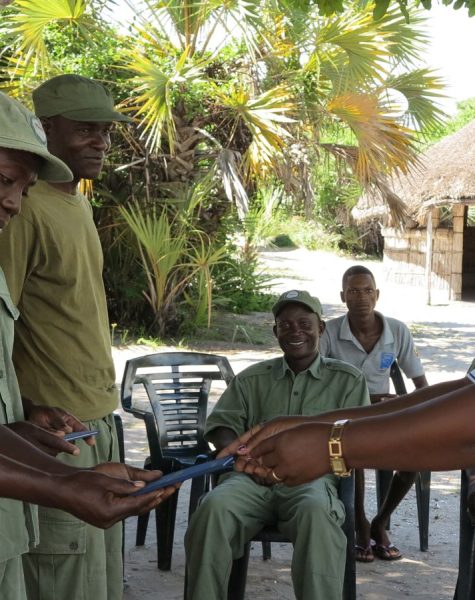
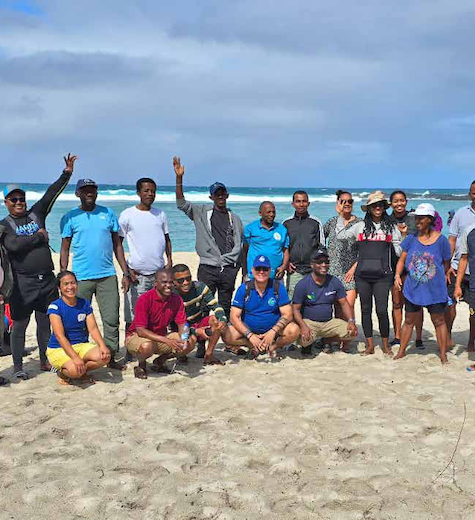
Behind every successful Marine Protected Area is a team of dedicated professionals working together toward a shared goal — protecting marine ecosystems while supporting the communities that depend on them.
Managing these teams, along with the financial resources that sustain conservation programmes, requires a unique set of leadership and management skills.
Within the WIO-COMPAS competence framework, Human and Financial Management recognises the professionals who ensure that conservation efforts are supported by strong teams, responsible financial stewardship, and effective organisational systems.
It is through these capabilities that conservation plans become operational realities.
The Human Dimension of Conservation
Marine conservation is ultimately a human endeavour.
Protected areas are managed by people, for the benefit of people and nature alike.
This means that successful conservation depends on the ability of professionals to lead, motivate, and support diverse teams.
MPA professionals must work with:
Rangers and enforcement officers
Scientists and technical specialists
Community engagement officers
Government agencies and partners
Volunteers and local stakeholders
Managing Resources Responsibly
Marine protected areas often operate with limited financial resources, making responsible financial management essential.
MPA professionals must ensure that budgets are used effectively to support conservation priorities while maintaining transparency and accountability.
This includes responsibilities such as:
• Planning and managing operational budgets
• Monitoring financial expenditures
• Ensuring compliance with institutional and donor requirements
• Allocating resources to priority conservation activities
• Supporting financial reporting and programme evaluation
;Strong financial management helps ensure that conservation initiatives remain sustainable and capable of delivering long-term impact.
Building Strong Conservation Institutions
Across the Western Indian Ocean, marine protected areas rely on institutions that are capable, accountable, and resilient.
By recognising professionals who demonstrate excellence in human and financial management, WIO-COMPAS contributes to strengthening these institutions.
Certified professionals help create management systems that support effective teamwork, responsible resource use, and sustainable conservation programmes.
Through their leadership, marine protected areas become not only protected spaces — but well-managed organisations capable of delivering lasting impact.
Sustainability
Leadership
Competence
Human and financial management also plays a critical role in ensuring the long-term sustainability of marine protected areas.
MPA professionals must balance operational needs with strategic planning — ensuring that teams, equipment, and funding are aligned with conservation objectives.
This may involve:
Developing annual work plans and operational budgets
Coordinating staff training and professional development
Securing partnerships and funding opportunities
Monitoring programme performance and outcomes
Through these processes, managers ensure that marine protected areas continue to function effectively even in challenging environments.
Managing conservation programmes often requires navigating complex institutional and operational environments.
MPA professionals must work across government agencies, conservation organisations, research institutions, and community groups.
Leadership in these contexts requires:
Strategic thinking
Strong communication skills
Effective delegation and team coordination
Conflict resolution and negotiation
Adaptability in changing conditions
Professionals who demonstrate these abilities are able to guide teams through uncertainty while maintaining focus on conservation outcomes.
Within the WIO-COMPAS certification framework, Human and Financial Management is recognised as a critical competence area.
Candidates are assessed on their ability to:
Lead and support diverse teams
Manage budgets and financial resources responsibly
Coordinate operational planning and programme implementation
Promote transparency and accountability in management practices
Strengthen organisational effectiveness within marine protected areas
These competencies ensure that certified professionals are equipped to manage both the people and the resources required to sustain marine conservation efforts.
Managing Today for the Ocean of Tomorrow
The future of marine conservation depends on the ability of professionals to manage people, resources, and programmes effectively.
Human and Financial Management ensures that conservation initiatives are not only well designed but also well executed.
By strengthening these management capacities, WIO-COMPAS helps ensure that marine protected areas across the Western Indian Ocean remain capable of protecting biodiversity and supporting coastal communities for generations to come.