Socio-Economic Context
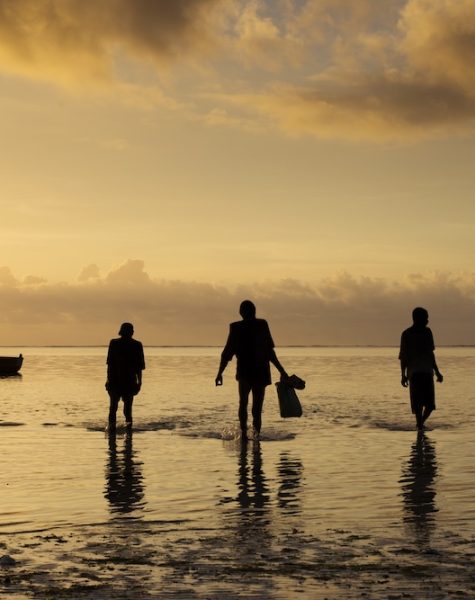
The Western Indian Ocean is not only a region of extraordinary marine biodiversity — it is also home to millions of people whose lives are closely tied to the ocean.
Coastal communities rely on marine ecosystems for food security, livelihoods, cultural identity, and economic opportunity. Fisheries, tourism, small-scale trade, and coastal resources form the foundation of local economies across the region.
For Marine Protected Areas to succeed, conservation professionals must understand this broader socio-economic context.
Within the WIO-COMPAS competence framework, this area recognises the ability of professionals to integrate social and economic realities into marine conservation planning and management.
Conservation and Communities
Marine conservation does not happen in isolation from people.
When conservation measures are introduced — such as fishing regulations, protected zones, or tourism guidelines — they can influence the livelihoods and daily lives of coastal communities.
MPA professionals, therefore need to understand how conservation decisions interact with:
Effective management of marine protected areas requires more than ecological data.
MPA professionals must also be able to interpret and apply socio-economic information that helps explain how people interact with marine resources.
This may involve:
- Conducting socio-economic surveys and community assessments
- Understanding fisheries dependency and resource use patterns
- Analysing tourism impacts on coastal communities
- Assessing economic benefits and costs of conservation measures
- Identifying vulnerable groups within coastal societies
Such insights help managers anticipate potential challenges and design conservation approaches that are both effective and equitable.
One of the central goals of marine conservation in the Western Indian Ocean is to support livelihoods that are sustainable over the long term.
Marine protected areas can contribute to this goal by:
- Enhancing fish stocks and supporting fisheries productivity
- Promoting sustainable tourism opportunities
- Protecting coastal ecosystems that support food security
- Strengthening local participation in resource management
MPA professionals must therefore consider how conservation initiatives can create benefits for communities while safeguarding marine ecosystems.
When communities see tangible benefits from conservation, they are more likely to support and participate in management efforts.
The socio-economic environment surrounding marine protected areas is often complex.
Communities may have diverse interests, different levels of dependence on marine resources, and varying perspectives on conservation policies.
MPA professionals must be able to navigate these complexities through:
• Cultural awareness and sensitivity
• Inclusive consultation processes
• Conflict resolution and negotiation
• Transparent decision-making
• Collaboration with local institutions and leaders
These skills help ensure that conservation initiatives remain socially legitimate and widely supported.
A Core Competence for Marine Professionals
• Implement and oversee management plans
• Monitor ecological and operational performance
• Evaluate conservation outcomes
• Adapt strategies based on evidence and experience
• Ensure accountability in management systems
These competencies ensure that certified professionals can guide marine protected areas toward achieving meaningful conservation results.
Integrating People and Conservation
Strengthening Sustainable Ocean Stewardship
Contact
- Mizingani Street, House No. 734, Zanzibar
- + 255 24 2233472
- info@wiocompas.org
Brochures
View our Handbook for an easy-to-read guide on all of the services offered.